
When considering the installation of rooflights, safety should always be the top priority. Homeowners must first evaluate the structural integrity of their roofs.
This involves consulting with qualified engineers to identify any potential issues. Compliance with local building regulations is essential, as is the selection of appropriate materials.
The installation process itself also warrants careful attention. Each of these factors contributes to the overall safety and efficiency of rooflights, but what comes next?
Before installing rooflights, it is vital to assess the structural integrity of the roof to confirm it can support the additional weight and modifications. A thorough evaluation should begin with inspecting the existing roof structure, including beams, rafters, and supports.
Experts recommend consulting with a structural engineer or qualified contractor to conduct this assessment. They can identify any signs of deterioration, such as rot, cracks, or sagging, which could compromise the roof's strength. It is also important to reflect on the roof's load-bearing capacity and the potential impact of the rooflights.
This assessment may include calculating the weight of the rooflights and any changes in load distribution. Additionally, understanding the material composition of the roof can influence the installation process. Addressing any structural issues before proceeding with rooflight installation confirms safety and longevity, preventing future complications that could arise from inadequate support.
Guaranteeing effective weatherproofing is fundamental for maintaining the integrity and functionality of rooflights. Proper installation techniques must be employed to prevent leaks and moisture ingress, which can lead to significant damage over time. The selection of high-quality materials, such as waterproof membranes and sealants, is essential in creating a robust barrier against the elements.
Additionally, attention should be paid to the design and positioning of the rooflights. Adequate drainage systems should be incorporated to direct water away from the rooflight and prevent pooling. Regular maintenance and inspections are also critical to identify any wear or degradation of weatherproofing components early on.
Using flashing around the rooflight edges can further enhance weather resistance, guaranteeing a snug fit that minimizes gaps. By prioritizing these aspects, property owners can ensure that their rooflights remain a functional and aesthetically pleasing feature for years to come.
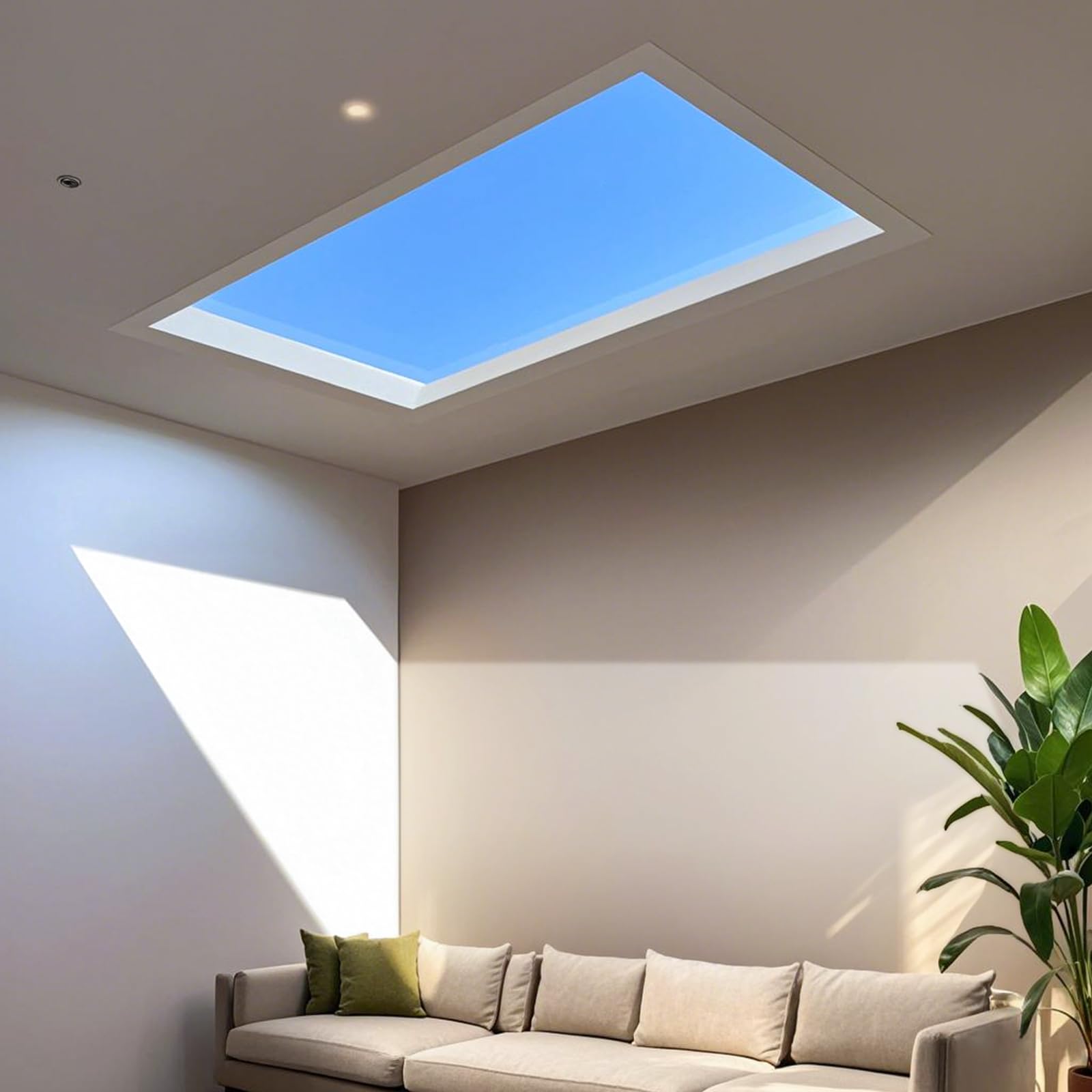
Compliance with building regulations is vital when installing rooflights, as it guarantees safety, energy efficiency, and structural integrity. Adhering to these regulations guarantees that rooflights meet specific standards for load-bearing capabilities, fire safety, and thermal performance. Each locality may have distinct codes, and it is important for property owners to familiarize themselves with these requirements before commencing installation.
In addition, compliance helps avoid legal complications and potential fines. Engaging with certified professionals can streamline the process, as they are knowledgeable about local regulations and can facilitate necessary permits. Proper installation according to the regulations minimizes risks associated with water ingress and structural failure, which could lead to costly repairs.
Moreover, making certain that rooflights provide adequate ventilation and natural light aligns with energy efficiency standards, contributing to reduced energy consumption in the long term. Overall, prioritizing compliance fosters a safe and sustainable living environment.
Selecting appropriate materials is a fundamental aspect of installing rooflights, which directly impacts durability, aesthetics, and performance. The choice of glazing is particularly important; options include acrylic, polycarbonate, and glass, each offering distinct advantages and disadvantages.
Acrylic is lightweight and shatter-resistant, making it an economical choice, while polycarbonate provides superior insulation and impact resistance, although it may scratch more easily. Glass, while heavy and more expensive, offers excellent clarity and longevity.
Additionally, the frame materials should be considered. Aluminum and timber are common choices; aluminum is known for its strength and resistance to corrosion, while timber adds a natural aesthetic but requires regular maintenance. Finally, ensuring that all materials used are compliant with local regulations is essential for safety and longevity. Careful material selection will ultimately enhance the functionality and visual appeal of rooflights while ensuring they withstand environmental challenges.
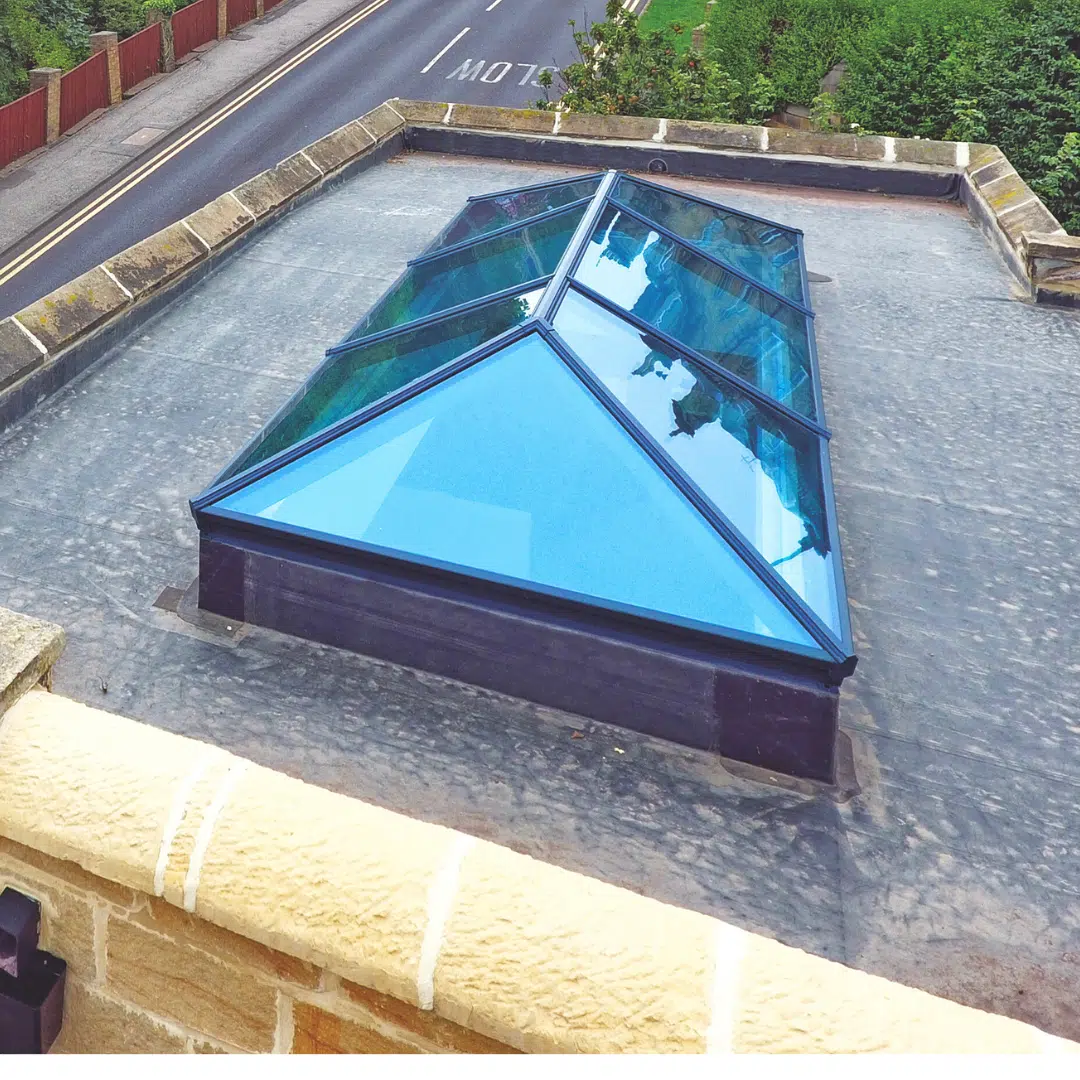
When starting on the installation of rooflights, professional expertise plays an essential role in achieving ideal results. Engaging qualified installers guarantees compliance with building regulations and safety standards. Professionals possess the necessary skills to assess structural integrity and address potential challenges, such as waterproofing and insulation. They can accurately measure and position rooflights to maximize natural light while minimizing heat loss.
Furthermore, experienced installers are familiar with various types of roof structures and materials, allowing them to recommend the most suitable installation techniques. They also have access to specialized tools and equipment, which can greatly enhance the efficiency and quality of the installation process.
Ultimately, investing in professional installation not only safeguards the property but also optimizes the functionality and aesthetics of rooflights. Homeowners should seek reputable contractors with proven track records to guarantee that their rooflight installation meets all safety and performance expectations.
As natural light floods through roof lanterns, it transforms spaces, creating an inviting atmosphere that enhances both mood and well-being. These elegant structures serve not only as architectural statements but also as essential sources of daylight.
Increased exposure to natural light has been linked to improved productivity, reduced stress, and better sleep patterns. Additionally, roof lanterns help to reduce reliance on artificial lighting, promoting energy efficiency.
Their ability to provide panoramic views of the sky connects inhabitants with the outdoors, fostering a sense of tranquility. By incorporating roof lanterns, homeowners can create brighter, more energizing environments while elevating the overall aesthetic of their interiors, making them a practical and stylish choice in modern design.
Rooflights can greatly enhance a home's resale value by improving natural light, creating a sense of space, and elevating aesthetic appeal. Buyers often seek properties with such features, boosting market competitiveness and potential selling price.
Yes, specific building regulations for rooflight installations exist, addressing factors such as structural integrity, energy efficiency, and safety standards. Compliance with local codes guarantees proper installation, maximizing benefits while minimizing risks associated with improper design.
Rooflights enhance energy efficiency by maximizing natural light, reducing reliance on artificial lighting. They improve ventilation, leading to better thermal regulation, which can lower heating and cooling costs, ultimately contributing to a more sustainable living environment.